

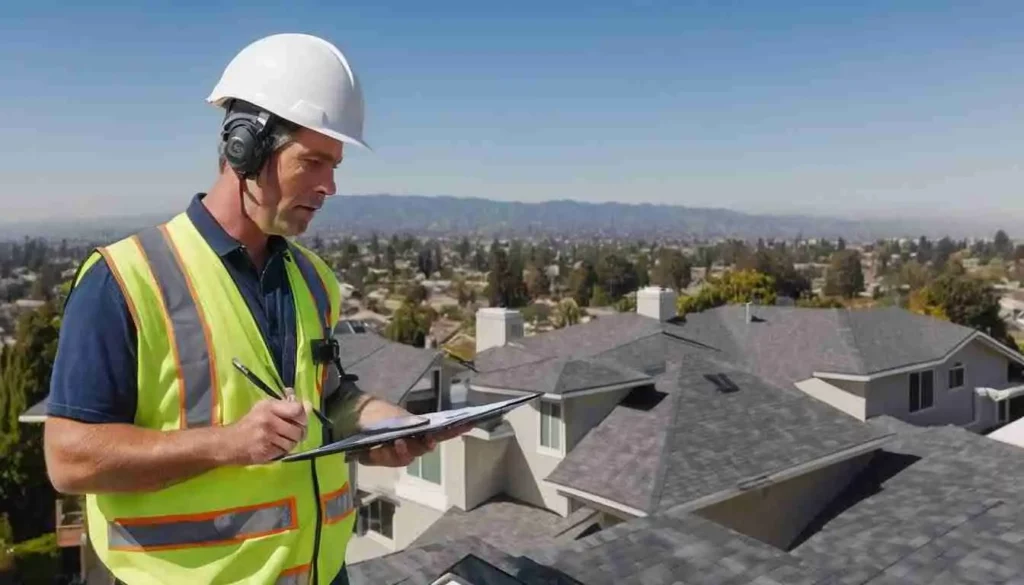
A roof inspection is one of the smartest, cheapest steps a Front Range homeowner can take. A couple hundred dollars of prevention that can head off thousands in water damage. The problem? Not all inspections are equal. A quick glance from the driveway is nothing like a full, documented evaluation of every system that keeps water out of your home. This guide walks through exactly what a thorough roof inspection should include, so you know what to expect and what questions to ask before the next hailstorm rolls off the foothills.
Jump To A Section


What Is a Roof Inspection?
A roof inspection is a systematic evaluation of your roof’s condition, inside and out, to catch damage and wear before they turn into leaks. A good roofing inspection looks at far more than the shingles you can see from the ground, however: it checks the surface, the flashing, the drainage, the ventilation, and the structure underneath, documenting everything with photos and a report. A typical residential roof inspection usually takes 45 minutes to a couple of hours, depending on the roof’s size and complexity.
What a Thorough Roof Inspection Includes
A complete roof evaluation covers six areas.
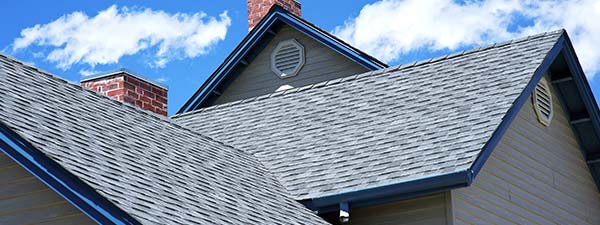
The inspector examines the outer covering of your roof, whether it’s made of asphalt shingles, tile, metal, or membrane. During this step, they check for missing, cracked, curling, or lifted materials, severe granule loss, and the distinct circular bruising left by hail.
Most leaks start where the roof meets a structural boundary rather than in the open field. Because of this, the inspector checks all metal flashing and sealants around chimneys, vents, skylights, and valleys to make sure any vulnerable joints remain watertight.
The inspector examines the drainage system for blockages, sagging, or undersized channels that could trap standing water near the roof line. The inspector also inspects the troughs for washed-away shingle granules, a key indicator of roof wear. This complete check ensures water leaves the roof efficiently and clarifies if repairs or seamless gutters are required.
The inspector checks inside the attic for moisture, mold, water stains, daylight showing through the decking, and proper airflow and insulation levels. Poor ventilation cooks shingles from below during hot summer months and worsens winter ice dams along the Front Range. This step ensures heat and moisture escape correctly, helping you prevent premature roof failure from the inside out.
The inspector evaluates the fascia, soffits, decking, and overall rooflines for rot, sagging, or soft spots that indicate trapped moisture. The overall age and reflective quality of your roofing materials are also factored in to gauge remaining lifespan. Identifying these hidden issues early ensures your roof deck remains structurally sound before you consider a complete replacement.
The inspector gathers dated photographs, a written summary of findings, and an overall condition rating to complete the review. If damage is found, this final report includes a clear repair estimate alongside the necessary supporting paperwork. When severe weather strikes, this detailed record feeds directly into insurance claims to help make the process simple.
Key Takeaways
- A complete roof inspection covers six areas: surface, flashing, gutters, ventilation, structure, and documentation.
- The most damaging leaks usually start at flashing and penetrations, not in the open field.
- A quality roofing inspection ends with photos, a written report, and claim-ready paperwork.
Types of Roof Inspections
There are several different types of roof inspections. Which one you need ultimately depends on your specific situation.
- Routine maintenance inspections, done once or twice a year, catch normal wear before it becomes a problem.
- Post-storm inspections check for hail and wind damage after a Front Range storm and are the most common reason homeowners call us.
- Pre-purchase inspections give buyers and sellers an honest read on remaining roof life during a real estate deal.
- Insurance inspections document damage for a claim and need the photos and detail an adjuster will accept.
Signs You Need a Roof Inspection
You don’t necessarily have to wait for a scheduled check to have peace of mind about your roof’s health. Instead, you should call for an inspection after any significant hail or wind event, even if the roof looks fine from the ground, because hail bruising is often invisible from below. You should also schedule a roof inspection if your roof is 20 years or older, if you notice interior warning signs like water stains or sagging, or if shingles are missing, lifted, or scattered in the yard. Anyone buying or selling a home should consider a roof inspection, as well.
If your roofing inspection confirms that a roof has reached the end of its life, a new roof installation service may become a smarter long-term investment than another patch. Contact us today to learn more about roof installation services in Arvada.
Key Takeaways
- Always inspect after major hail or wind. Damage is frequently invisible from the ground.
- Age (20+ years), interior stains, and missing shingles are clear signals to homeowners that it’s time to schedule a roof inspection.
DIY vs. Professional Inspection
There is nothing wrong with a careful ground-level look between professional visits, scanning for obvious missing shingles, debris, or sagging from the safety of the yard. But climbing a steep, high-altitude roof is genuinely dangerous; and an untrained eye might miss the subtle hail bruising, worn flashing, and early decking problems that are critical findings on a professional roof inspection.
Considering an inspection for your property? You’re in the right place. Our experts are licensed and insured, and have proudly served Arvada and the surrounding communities since 1996. Read what fellow community members have had to say about us in our customer reviews. You can also browse our project gallery to see finished work up close.
Roof Inspections Across the Front Range
Front Range storm tracks vary significantly between towns, meaning damage found in one area might look completely different just a few miles away. Local experience allows us to inspect for the exact risks your neighborhood faces. For example: Golden roof inspections may be tailored for severe foothill wind and high-altitude hail exposure. Meanwhile, Olde Town Arvada roof inspections might be focused on identifying wear and aging materials in established homes.
Frequently Asked Questions
What does a roof inspection include?
A thorough roof inspection includes the roof surface, flashing and penetrations, gutters and drainage, attic ventilation, structural elements, and a documented report with photos and findings.
How long does a roof inspection take?
Most residential roof inspections take from 45 minutes to a couple of hours, depending on the size, slope, and complexity of the roof.
How often should I get a residential roof inspection?
Once a year is a good baseline, plus an extra inspection after any major hail or wind event. Older roofs benefit from twice-yearly checks.
Do I need a roof inspection after hail?
Yes. Hail damage is frequently invisible from the ground, and an inspection soon after the storm both protects your roof and preserves your ability to file a timely insurance claim.
How much does a roof inspection cost?
It varies with roof size and access, and many roofers — including us — offer a free inspection with an estimate. The value is in the documentation and the honest assessment, not just the number.
What happens after the inspection?
You get a written report with photos and a condition rating. If there is damage, you also receive a repair estimate and, when needed, claim-ready paperwork so you can decide on next steps with clear information.
Get Your Roof Inspected the Right Way
A real roof inspection is thorough, documented, and honest. It should tell you exactly what shape your roof is in and what, if anything, it needs. That’s the standard we have held since 1996 as a family-owned, licensed and insured, A+ BBB-rated roofer, and every inspection comes with a free, no-pressure estimate if your roof does end up needing repairs. Contact us today to learn more about our roof inspection process, or to book yours. It’s our pleasure to serve you.