

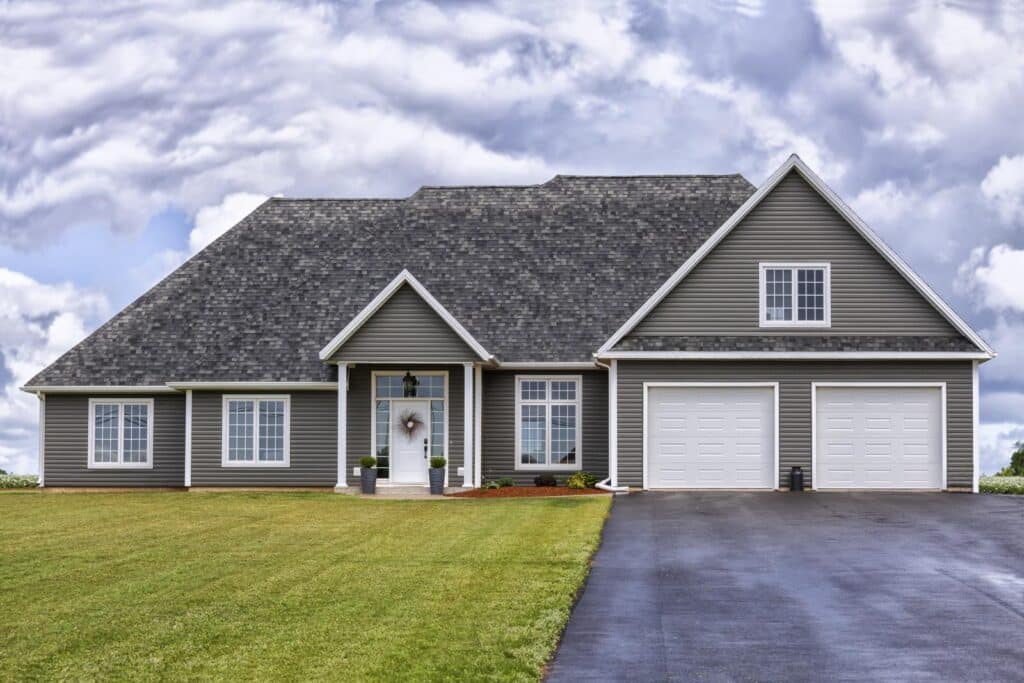
Your roofing contractor quoted you a 30-year shingle. Your neighbor replaced her roof after 14. Both of you live on the same street in Arvada. How long does a roof last?
Unfortunately, understanding your home’s roof lifespan in Colorado is not as simple as reading the warranty label—because the Front Range is one of the harshest roofing environments in the country, and national lifespan averages don’t really apply here. Instead, you need a process that accounts for the local elements.
This guide breaks down what actually determines roof lifespan on Colorado homes, which materials hold up best, and what warning signs tell you a replacement is approaching.
Jump To A Section
- Why Colorado Roof Lifespan Is Shorter Than the National Average →
- How Long Each Roofing Material Lasts in Colorado →
- The Four Factors That Shorten Roof Lifespan on the Front Range →
- Signs Your Arvada Roof Is Approaching the End of Its Life →
- How to Extend Your Roof Lifespan →
- Frequently Asked Questions →
- Schedule a Free Roof Inspection in Arvada →


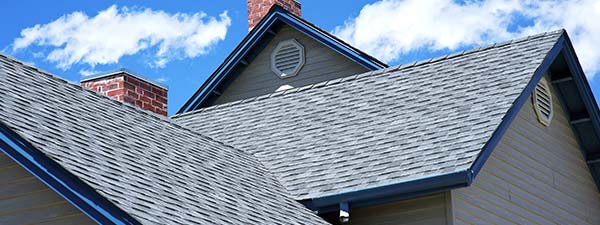
Why Colorado Roof Lifespan Is Shorter Than the National Average
Manufacturer warranties on asphalt shingles are written for average U.S. conditions—but Colorado weather is anything but average. The Front Range sits at altitude, receives over 300 days of sunshine per year, experiences hailstorms that rank among the most damaging in the country, and cycles through extreme temperature swings that can exceed 40 degrees in a single day. Each of these conditions degrades roofing materials faster than the warranty assumptions anticipate.
The result? A practical lifespan gap that surprises most homeowners. A 30-year architectural shingle installed on an Arvada home will realistically perform for 15 to 22 years under normal conditions, lasting for significantly less time if a major hail event occurs mid-life. Understanding this gap is the starting point for realistic roof planning and budgeting.
Key Takeaways: Why Colorado Roof Lifespan Is Shorter
- Colorado Front Range conditions — high-altitude UV, hail frequency, thermal cycling, and wind — degrade roofing materials faster than national warranty assumptions.
- A 30-year shingle realistically lasts 15 to 22 years in Arvada and the surrounding Denver metro area.
How Long Each Roofing Material Lasts in Colorado
Below, our team has put together the average roof lifespan across each roofing material—taking into account our harsh Colorado weather cycles.
| Roofing Material | National Avg Lifespan | Realistic CO Lifespan | Notes |
|---|---|---|---|
| 3-Tab Asphalt Shingles | 20-25 years | 12-18 years | Most vulnerable to hail and UV at altitude |
| Architectural Asphalt Shingles | 25-30 years | 15-22 years | Standard choice; Class 4 extends the range |
| Metal Roofing | 40-70 years | 40-60 years | Best performer in wind and hail |
| Wood Shake | 25-30 years | 18-25 years | Requires maintenance; fire risk near wildland |
| Tile (Clay or Concrete) | 50-100 years | 40-75 years | Requires reinforced structure; excellent longevity |
| Slate | 75-150+ years | 75-100+ years | Premium cost; exceptional durability |
How Long Do Asphalt Shingle Roofs Last?
Asphalt shingles remain the most common roofing material in Arvada and across the Denver metro area because they balance upfront cost with adequate performance. Standard 3-tab shingles are the most vulnerable category—their thinner profile and lower impact rating make them susceptible to hail granule loss, UV cracking, and wind uplift. Architectural shingles also perform meaningfully better due to their thicker laminated construction. Class 4 impact-resistant architectural shingles extend the realistic lifespan range further and qualify for homeowner insurance premium discounts that partially offset their higher cost.
Metal Roofing
Metal roofing is the strongest performer in our harsh Colorado conditions. It handles hail, wind, UV, and thermal cycling better than any asphalt product. Standing seam steel and aluminum systems come next, regularly reaching 40 to 60 years of service life on Front Range homes. The higher installed cost relative to asphalt shingles is offset by durability and the reduced frequency of replacement over a homeowner’s tenure.
Tile, Slate, and Wood Shake
Tile and slate offer the longest lifespans available but require reinforced roof structures capable of supporting their weight, and professional installation by crews experienced with the material. Wood shake, on the other hand, performs well in the Arvada market—but requires regular maintenance to prevent moisture retention and moss buildup, and carries elevated fire risk in areas near open space. For most Arvada and Jefferson County homeowners, architectural asphalt or metal represents the best balance of longevity, cost, and maintenance burden.
Key Takeaways: Roofing Material Lifespans in Colorado
- Architectural asphalt shingles last 15 to 22 years on the Front Range under normal conditions.
- Metal roofing extends to 40 to 60 years.
- Tile and slate offer the longest lifespans but carry higher installed costs and structural requirements.
- Class 4 impact-resistant shingles provide meaningful lifespan gains over standard asphalt products in Colorado hail territory.
The Four Factors That Shorten Roof Lifespan on the Front Range
The roof lifespan of a Colorado roof usually comes down to four key factors:
1. Hail
Colorado ranks among the top states in the country for hail frequency and severity—and hail doesn’t just crack shingles—it strips protective granules from the surface, exposing the asphalt mat to accelerated UV degradation. A roof that absorbs a significant hail event at year 10 may lose another five to eight years of functional life even if no immediate leak develops. This is why post-storm inspections matter.
2. High-Altitude UV Exposure
Colorado receives over 300 days of sunshine annually, and high altitude intensifies UV radiation beyond what sea-level averages capture. This level of UV exposure breaks down asphalt binders, causes granule adhesion failure, and leads to the cracking and curling shingles that homeowners recognize as late-stage wear. A well-maintained roof is among the most cost-effective weatherization investments a homeowner can make—and that maintenance begins with protecting the surface from UV-driven deterioration.
3. Thermal Cycling
Temperature swings on the Front Range regularly exceed 40 degrees in a single day. As roofing materials expand and contract with every cycle, the adhesive strips that seal shingle tabs to the course below them fatigue over time. Flashing sealants crack, nail fasteners work loose, and the cumulative stress of thousands of thermal cycles accelerates surface aging.
4. Wind
Front Range windstorms regularly produce gusts of 60 to 80 miles per hour, particularly along the foothills corridor through Golden, Lakewood, and Arvada. These gusts lift the shingles repeatedly, weakening the seal strip until the bond fails. This means that every significant wind event applies cumulative stress to fasteners and sealants that is not visible from the ground but shortens the roof system’s effective service life.
Key Takeaways: Factors That Shorten Colorado Roof Lifespan
- Hail, high-altitude UV, thermal cycling, and Front Range wind each degrade roofing materials faster than national averages predict.
- Colorado homeowners who experience a major hail event mid-roof-life may lose five to eight years of remaining service.
- Post-storm inspection is one of the most cost-effective steps an Arvada homeowner can take to protect their investment.
Signs Your Arvada Roof Is Approaching the End of Its Life
Knowing approximately how long a roof lasts in Colorado provides you with useful context for budgeting, but may vary—the specific condition of your roof matters more than a general timeline. Here are a few visible indicators that a professional inspection is overdue:
- Granule loss in gutters: Heavy granule accumulation in downspouts after rain indicates the protective coating on asphalt shingles is failing.
- Curling or cupping shingle edges: Shingle tabs that curl upward at the edges or cup in the center have reached the end of adhesive and mat integrity.
- Missing shingles in the field or along the ridge: Any missing shingle is an active water intrusion risk, not a cosmetic issue.
- Visible cracking across shingle surfaces: Surface cracks indicate UV and thermal cycling have degraded the asphalt binder beyond recovery with surface treatment alone.
- Daylight visible in attic: Light that’s visible through roof decking in attic inspections indicates gaps that allow both water and conditioned air to escape.
- Interior ceiling stains: Water staining on ceilings near exterior walls or below the roof plane indicates active infiltration that is already past the surface layer.
- Roof age approaching or past 15 years: An Arvada or Westminster home with a standard asphalt shingle roof installed 15 or more years ago is within the realistic replacement window, regardless of visible surface condition.
If you notice any of these signs of failure, schedule a free roof inspection before the next hail or wind season via 303-432-2753. Arvada Roofing & Construction has served this community since 1996, and our licensed inspectors provide written findings with photo documentation at no cost to you.
Key Takeaways: Signs Your Roof Is Approaching End of Life
- Granule loss, curling shingles, surface cracking, missing field shingles, interior ceiling stains, and attic daylight are all indicators that a professional assessment is needed.
- Any Arvada home with asphalt shingles 15 or more years old is within the realistic replacement window and warrants a current inspection.
How to Extend Your Roof Lifespan in Arvada and the Denver Metro
No maintenance program overrides the physical reality of Colorado weather, but consistent care meaningfully extends functional service life and protects your investment. Here are a few tips we recommend Arvada homeowners take to get the best return on a roof system:
- Annual professional inspections: A licensed roofing contractor can identify granule loss, fastener failure, flashing gaps, and seal-strip deterioration that are not visible from the ground. Catching these conditions early prevents minor issues from developing into water intrusion and structural damage.
- Post-storm inspections after hail or wind events: Don’t wait for a leak to confirm damage. Hail impact and wind-lifted shingles create water pathways that activate weeks or months later during a different weather event. Prompt post-storm assessment documents the condition and supports insurance claim submissions.
- Gutter maintenance: Blocked gutters allow water to back up under eave shingles and behind fascia boards, accelerating rot and freeze-thaw damage at the roof perimeter. We recommend homeowners clean gutters twice annually at minimum. Ask about our seamless gutters if your current system is aging or undersized.
- Attic ventilation and insulation: Inadequate attic ventilation traps heat and moisture below the decking, accelerating shingle degradation from the inside out and creating conditions for ice dam formation in winter. A well-ventilated attic contributes directly to roof lifespan.
- Trim overhanging trees: Branches that contact or overhang the roof plane deposit debris, retain moisture, and abrade shingle surfaces. They also create impact hazards during high-wind events common in Arvada and Golden.
- Upgrade to Class 4 impact-resistant shingles at next replacement: When the time comes to replace your Arvada roof, Class 4 impact-resistant shingles provide meaningfully better hail resistance, a longer realistic service life in Colorado conditions, and insurance premium discounts from most major carriers. Our team can review our suppliers and recommend products matched to your home.
Key Takeaways: How to Extend Colorado Roof Lifespan
- Annual inspections, post-storm assessments, gutter maintenance, and proper attic ventilation are the highest-return maintenance investments for Arvada homeowners.
- At replacement, upgrading to Class 4 impact-resistant shingles extends realistic service life and may reduce homeowner insurance premiums on the Front Range.
Frequently Asked Questions About Roof Lifespan in Colorado
How long does a roof last in Colorado on average?
Asphalt shingles— the most common roofing material in Arvada and the Denver metro—realistically last 15 to 22 years on the Front Range under normal conditions. Standard 3-tab shingles perform closer to the 12 to 18-year range. Metal roofing extends to 40 to 60 years. These ranges assume no major hail event accelerates the timeline, of course. A significant hailstorm mid-life can reduce remaining service life by five to eight years even without producing an immediate leak.
How does hail affect my roof lifespan?
Hail strips granules from asphalt shingle surfaces, exposing the underlying mat to direct UV radiation and moisture. Even when individual shingles remain intact after impact, the granule loss accelerates aging across the entire affected surface. A roof that sustains a significant hail event at year 10 of a projected 20-year life may have its remaining service life reduced to eight to twelve years. This is why a post-storm roof inspection and insurance claim documentation are important steps after any hail event in Arvada, Westminster, or Lakewood.
What roofing material lasts the longest in Colorado?
Slate and tile offer the longest service lives—averaging 50 to 100-plus years under Colorado conditions—but require reinforced roof structures and carry higher installed costs. Metal roofing is the most practical long-duration option for most Arvada homeowners, offering 40 to 60 years of service life with strong resistance to hail, wind, and UV degradation.
Get an Honest Roof Lifespan Assessment from Arvada Roofing & Construction
If your Arvada, Westminster, Denver, or Lakewood home has a roof that is 10 or more years old, or if you have experienced a hail or wind event in the past 12 months, the most useful thing you can do right now is have a licensed contractor walk the roof and give you a written, honest assessment of where you stand. Arvada Roofing & Construction has been doing exactly that for this community since 1996. We are a family-owned company with an A+ BBB rating, and we are not storm chasers—we are here before and after the storm, and we stand behind every inspection and every repair.
Call 303-432-2753 or visit our free estimate page to schedule your no-cost roof lifespan inspection today. We also serve Westminster, Golden, Lakewood, Wheat Ridge, and Broomfield.